Motif vs pattern: what's the difference? A beginner's guide
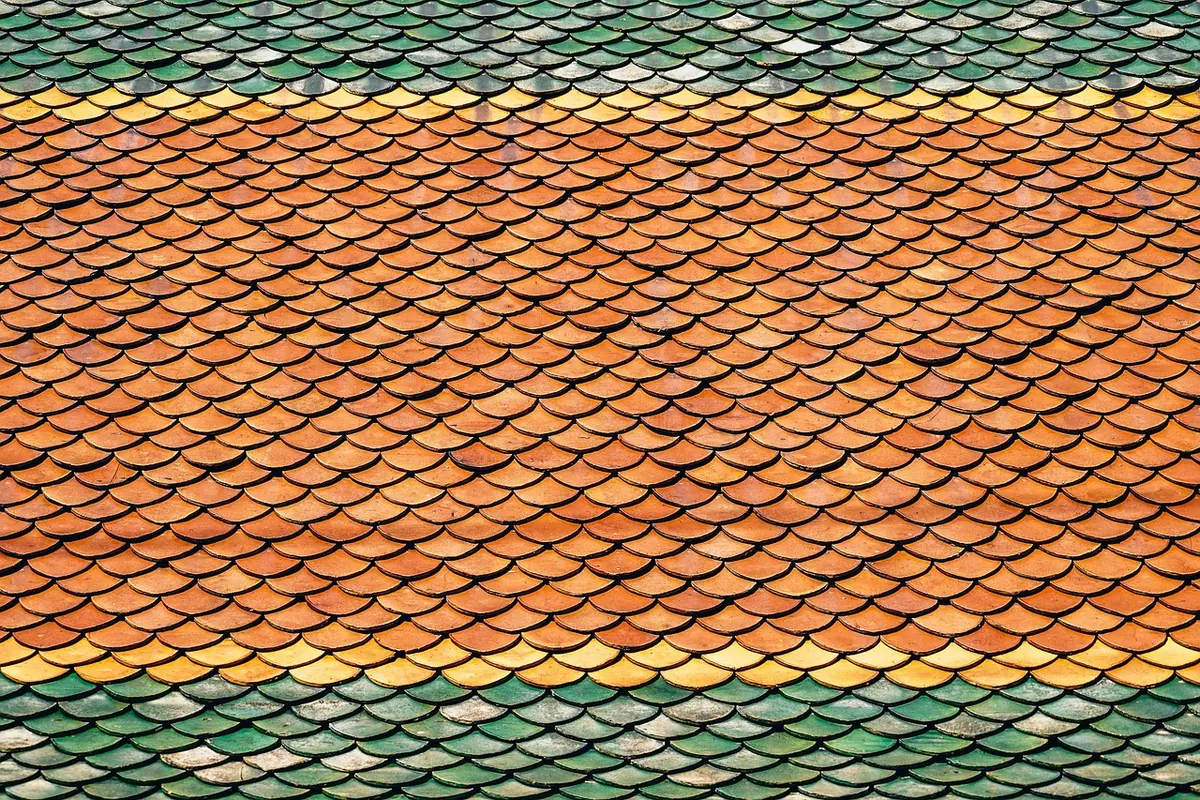
A single lotus flower painted on a tile is a motif. The same flower stamped in a grid across a whole wall is a pattern. That is the distinction in one line, and yet the two words get swapped around constantly — in shops, in software, in conversations about a friend's new kitchen. Getting them straight takes five minutes and makes everything else about repeat design easier to talk about.
It also changes how you search. Look for "motif" and you will find single elements: clip art, carved blocks, one-off tiles. Look for "pattern" and you will find arrangements, repeats and swatches. Knowing which one you actually want saves an afternoon of scrolling.
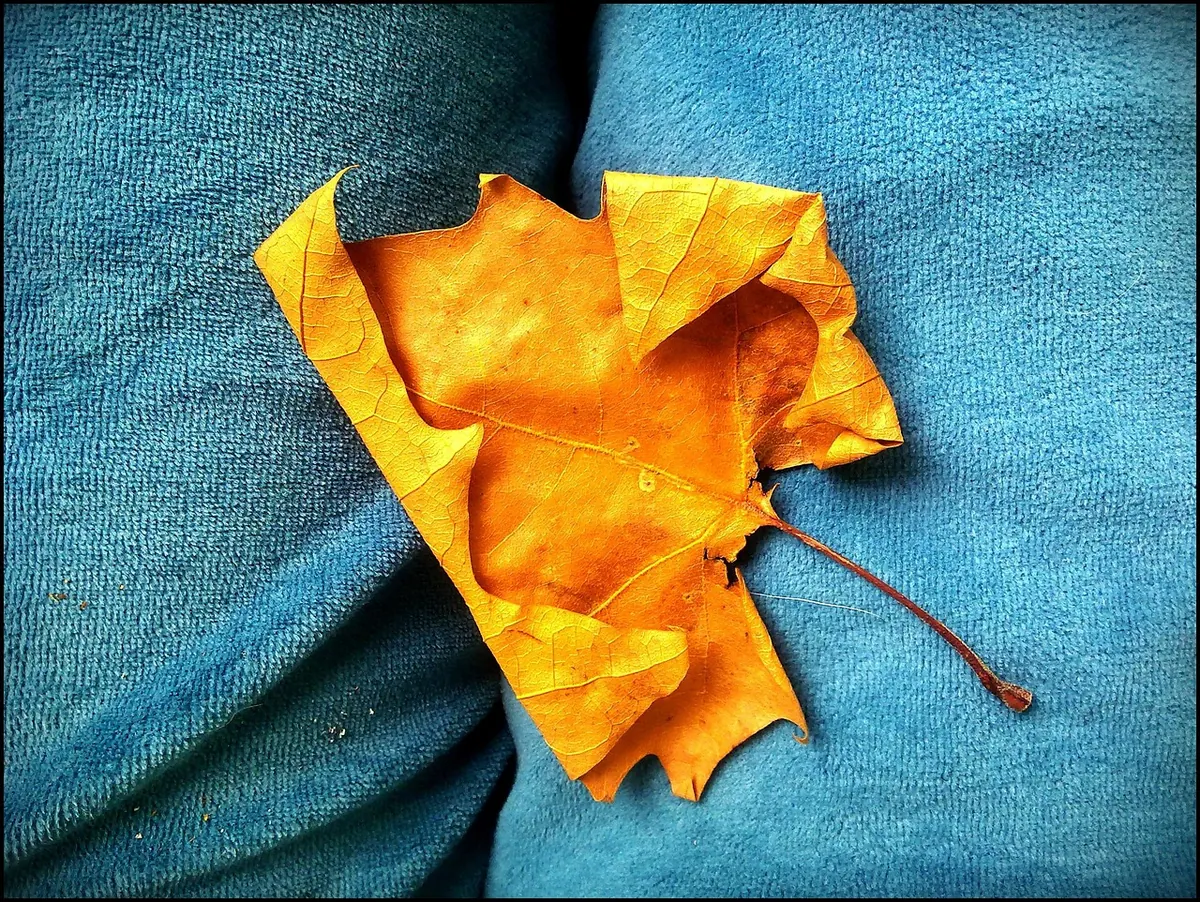
A motif is one self-contained design element. It has a shape, an edge and an identity, and it makes sense on its own. A scallop shell. A chevron. A bee. A paisley droplet. A Greek key corner. An oak leaf, drawn once, fills the bill.
Motifs are usually described by what they are rather than how they are arranged. They can be geometric — squares, hexagons, stripes cut into segments — or organic, like vines and birds. They can be tiny, like a single dot in a spot print, or large enough to fill a cushion. Complexity is not part of the definition: a plain circle is as much a motif as an elaborate damask medallion.
The key point is that a motif does not need repetition to exist. One motif printed once on a plain ground is still a motif. It may look lonely, but it is complete.
A pattern appears when a motif, or a small group of motifs, is repeated according to a rule. That rule is what people mean when they talk about the structure of a design, and it usually covers four things:
Patterns do not always need a recognisable motif. A plain stripe, a woven linen texture, a graduated field of dots — all are patterns, and none of them depends on a distinct shape. So the two ideas overlap rather than nest neatly inside one another: most patterns are built from a motif, but a pattern can exist without one, and a motif can exist without ever becoming a pattern.
In wallpaper, fabric and tile production, the working tool is the repeat unit — the rectangle of artwork that gets tiled across a surface. It usually holds one or more motifs, plus fragments of neighbouring motifs at the edges so the joins disappear when it repeats.
This is why a wallpaper label lists a pattern repeat measurement. That number tells you the height of the repeat unit, and it has a practical consequence: a tall repeat means more paper is lost lining up each drop, so buy an extra roll or two for anything with a large repeat or a half-drop.
A trellis drawn once is a motif. Repeated edge to edge, it becomes a trellis pattern. Wallpaper also shows the difference between a motif used as a spot and a motif used as a field: the same small shape placed at wide intervals on a plain ground reads as a delicate spot pattern, while packing it tightly turns the whole surface into texture.
Fabric adds direction. A motif with an obvious "up" — a bird, a letter, a stylised tree — must be cut so that every piece faces the same way, otherwise seams will fight each other. Repeating such a motif creates a directional pattern, and that affects how much cloth you need for curtains and how you plan a layout for cushions.
Tilework makes the relationship unusually visible, because the tile itself can be the motif. A single encaustic tile with a geometric star is a motif; laid among plain tiles at regular intervals, it forms a spot pattern. Some designs go further and split one motif across four tiles, so the motif only makes sense once the pattern is assembled — a neat reminder that the two words describe different things.
Ask two questions. First: can this thing stand alone on a blank surface and still look intentional? If yes, you are looking at a motif. Second: does the effect depend on more than one copy — on rhythm, spacing or alignment? If yes, you are looking at a pattern.
Both answers can be true at once. A single tile is a motif; the floor it belongs to is a pattern.
When you are choosing, the useful move is to name which part you are judging. If the motif is wrong — the flower is too fussy, the scale is too small next to your sofa — no amount of clever spacing will fix it. If the motif is right but the room feels busy, the problem is usually the pattern: too tight a repeat, too much contrast between motif and ground, or a repeat that clashes with the proportions of the space.
When you are designing, start with the motif and treat it as a shape that has to survive being cut, flipped and butted against itself. Draw it on a scrap of paper, photocopy it, and lay the copies out on a table. Shift one row sideways by half and look at what appears in the gap. That gap, not the motif, is where most patterns are won or lost.
Photo: igorovsyannykov / Pixabay
Previous Post
Seasonal motifs in British design: spring florals, autumn leaves and winter tartan
Next Post
Victorian tile motifs: a checklist for dating fireplace surrounds in British homes